
English| EUR
Suggested for you
More currencies
Choose a language
Every year, the Garden Route whale migration brings thousands of marine giants to the southern coast. Referencing a knysna whale watching season guide helps visitors plan around peak migration months and daily boat departures. Understanding these natural patterns ensures the best chance of spotting active pods.
Quick answer
The knysna whale watching season runs from June to November, with peak sightings occurring between August and October. During this period, southern right and humpback whales migrate from Antarctica to calve in the warmer coastal waters of the Indian Ocean. Tours typically depart daily from Thesen Island between 09:30 and 15:00, depending on ocean conditions.
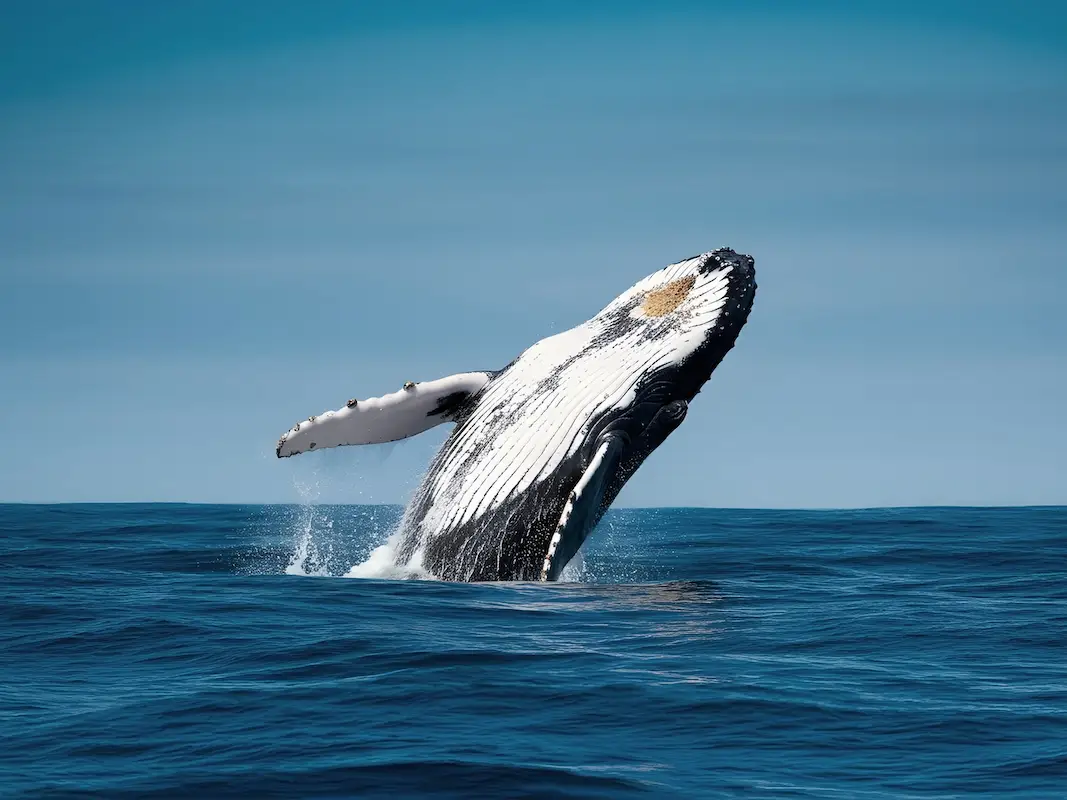
Humpback whales travel over 5,000 kilometers from their icy Antarctic feeding grounds to reach the sheltered bays of the South African coast. This monumental journey aligns perfectly with the annual knysna whale watching season, turning the local marine reserve into a bustling highway of cetaceans. While southern right whales utilize the shallow coastal waters to nurse their newborn calves, humpbacks display active surface behaviors like breaching and tail-slapping near the deep-water passage of the Knysna Heads. Observers on land and aboard permitted vessels can watch these behaviors unfold as the animals navigate the rugged shoreline. The unique topography of the estuary mouth creates a natural vantage point, allowing land-based spotters to trace the movements of these marine mammals as they transition from the open ocean into protected coastal bays. To experience this migration up close, visitors gather at the main departure point at TH 22, Long Street, Thesen Harbour Town on Thesen Island. The local operators, licensed to approach marine mammals, run scheduled excursions that cross the estuary and enter the open Indian Ocean. Understanding the knysna whale watching season involves tracking the peak months of August and September, when the density of passing pods reaches its maximum. Although boat tours operate daily between 09:00 and 17:00 when sea conditions allow, the early morning departures often offer calmer water, which makes spotting fins and blows much easier against the horizon. Safe navigation through the estuary mouth requires skilled skippers, particularly during spring tides when swells can fluctuate significantly near the rocky cliffs. Beyond the whales, the coastal ecosystem supports breeding colonies of Cape fur seals, pods of Indo-Pacific bottlenose dolphins, and various seabirds. Choosing a Knysna whale watching boat excursion allows visitors to learn about these species from certified guides who record sightings for conservation research. Planning your trip with an official operator like Ocean Odyssey ensures compliance with local environmental regulations, which mandate keeping a respectful distance of 300 meters unless operating under a specific close-encounter permit. Tracking the Garden Route whale migration calendar remains the most reliable way to secure a spot during the busiest weeks of the winter and spring months, ensuring you align your itinerary with the natural cycles of these visiting species.
“Humpback whales travel over 5,000 kilometers from their icy Antarctic feeding grounds to reach the sheltered bays of the South African coast.”
The primary whale watching season in Knysna runs from June through November, with peak activity occurring between July and September. During this period, Southern Right and Humpback whales migrate along the coastline to breed and calve in warmer waters.
Cool, 15°C–19°C
Early migration period with increased sightings of Southern Right whales.
Mild, 17°C–22°C
Final months of the season, often featuring Humpback whale sightings.
—
Reduced vessel traffic provides clearer visibility and quieter ocean conditions for whale spotting.
Verdict: The best opportunity for sightings is during the peak months of July, August, or September, ideally choosing a weekday morning to minimize boat traffic.
The facility maintains consistent daily operational hours throughout the whale watching season to accommodate visitors. These hours apply regardless of the specific migration period.
This timeline outlines a standard morning whale watching excursion from Thesen Island, requiring approximately two and a half hours from arrival to disembarkation.
Proceed to TH 22 on Long Street to check in for your departure. Arriving 30 minutes before your scheduled tour allows time to process paperwork.
Staff conduct a mandatory safety overview and outline the expected marine conditions. Following this presentation, you will walk down to the jetty to board the vessel.
The boat departs the dock and crosses the Knysna Estuary toward the ocean. The skipper carefully navigates the narrow channel between the Knysna Heads to reach the open water.
The crew uses this time to locate migrating whales and other marine species along the coastline. Expect to spend approximately an hour and a half on the open ocean listening to the guide's ecological commentary.
The vessel travels back through the heads and returns to the calm waters of the lagoon. Disembark at the original jetty to conclude your marine excursion.
The departure point for whale watching excursions is located at Thesen Harbour Town, situated on Thesen Island in Knysna. Visitors can easily reach this area via the main road network connecting to the Thesen Island causeway.
N2 highway to Waterfront Drive, follow signs for Thesen Island
Local metered taxi or ride-share services to Long Street
Walk from Knysna Waterfront via the pedestrian bridge to Thesen Island
The meeting point is at TH 22, Long Street, Thesen Harbour Town. It is recommended to arrive 30 minutes prior to your scheduled departure time to ensure a smooth check-in process.
Ensure a smooth departure by completing these preparation steps before arriving for your marine excursion.
Everything you need to know about knysna whale watching season
The peak window for whale activity along the Garden Route typically spans from June through November. Planning your trip during these months provides the highest probability of observing migratory mammals in the wild.
During this period, Southern Right whales are the most common visitors to the coastline. Humpback whales and occasionally Bryde's whales also frequent these waters while traveling along their migration routes.
These marine giants travel from the nutrient-rich Southern Ocean to warmer South African waters to breed and calve. The local topography and protected bays make this coastline a significant point for whale observation.
No entry fee is charged for these marine activities as they take place on the open ocean. You only need to consider the cost of booking your specific boat excursion through a local operator.
It is recommended to arrive at least 30 minutes before your scheduled departure. This ensures a smooth check-in process at the designated meeting point in Thesen Harbour Town.
Tours typically depart between 09:30 and 15:00, depending on weather conditions and group bookings. It is best to schedule your arrival within the 09:00 to 15:00 window to align with daily departures.